About Elif Su
For 34 years
9 months
Hello,
I’m Elif Su Yılmaz.
Since I left you early—or, to put it
another way, joined the ancestors first, the task of telling my story has fallen
to my friends, colleagues, mentors, relatives, and my mother.
I don’t think they’ll exaggerate
when they speak of me, but still, it’s important to make sure they remain
rational.
I wish them the best of luck.
HERE I AM, THROUGH MY MOTHER’S PEN
(BUT WRITTEN AS IF SPOKEN BY ME)
According to legend—which, in fact,
has been proven true—I was an embryo in the first month of 1990.
When my mother found out she was
pregnant, she was terrified. As a young woman who had suffered from a serious
kidney disease in childhood, she knew the pregnancy would be risky. She
immediately consulted Prof. Dr. Emel Akoğlu at Marmara University.
During the kidney ultrasound, my
mother kept insisting, “Don’t let me see the baby. What if I can’t keep it
alive, what if I can’t give birth?” But when the radiologist saw that her
kidneys were healthy, she turned the ultrasound probe toward me, disrupting my
peace, and let my mother hear my heartbeat.
Upon hearing it for the first time, she
exclaimed, “Even if I die, even if I need dialysis, this baby must be born—this
baby will be born!”
Professor Emel replied, “If you want
it this much, even if you need dialysis, we’ll do everything for your kidneys
and the baby. You’ll give birth.”
(Thirty-five years later, at my
funeral, Dr. Emel Akoğlu was there, and my mother once again expressed her
gratitude: “Thanks to you, she was born. Elif Su was a gift.”)
In the end, I was born as a healthy
baby. I remember my mother taking me to thank Professor Emel, and in our
culture, that meant kissing her hand.
I was born on September 17, 1990, in
Istanbul. My father was a retired military officer due to disability and, at
the time, a trainee lawyer. My mother was a paediatric resident.
They were people living on a modest budget.
Childhood was always Istanbul—always
the Bosphorus, children’s activities, birthday parties at Koşuyolu Cafem, peace
festivals, my grandmother, grandfather, uncle, and cousins, Cenk, Nazlı, and
Sinem. Once, my mother and Aunt Sabahat took Alican and me to a children’s
opera at the Atatürk Cultural Center (before it was demolished). We were so
little, and we both fell sound asleep. Later, we laughed about how we snoozed
through the whole performance.
When I started preschool, I had no
idea my entire life would be spent as a student. And indeed, I left this world
shortly after completing my doctorate. So, my whole life was about
learning—learning how to learn and how to teach, creating materials to be
learned and taught.
When I started primary school, my
teacher, dear Emiş Gürbüz, called my mother in and said,
“Elif Su doesn’t walk down the
corridor during recess—she does cartwheels. I’m very worried she’ll hurt
herself.” That was probably the first official feedback that I was one of those
children who couldn’t be contained, for whom the world felt too small.
But I was a gymnast, and my desire
to dive into life with speed and risk was noticed early on.
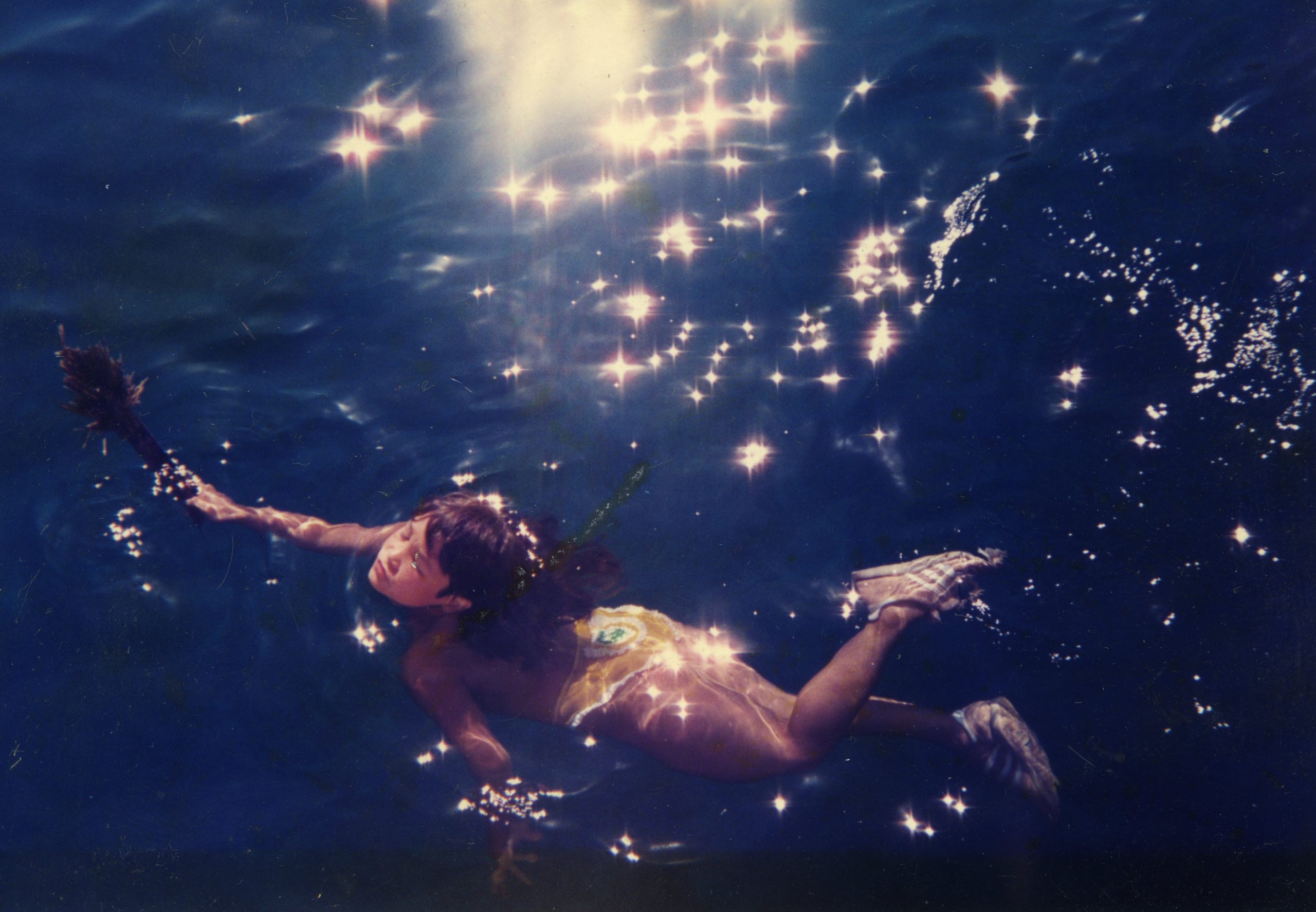
From photos, stories, and my own
memories, I’ve gathered that I started sports at a very young age: first
gymnastics, then swimming, sailing, synchronized swimming, skiing, volleyball,
and later aikido and parachuting.
My life was always filled with
sports—long and demanding training sessions, competitions, medals. I always
loved sports—skiing, swimming, parachuting. I truly believed it was wonderful
for girls to be encouraged to do sport, to discover it, to live through it. And
if you’re worried that I got too tall, too muscular, or my shoulders
broadened—don’t be. These are all beautiful gains. For me, sport means
discipline, working together in solidarity, and learning through full
engagement of body and senses.
Books, games, toys, and playing
together within our apartment complex were also nourishing. I had lots of books
and many toys, though they weren’t all given to me at once. In fact, I later
learned that my mother used to go to a place called Tahtakale to buy toys
wholesale at affordable prices. She entrusted them to our dear neighbors,
Mehmet and Şükran Gümüş, and they gave me one toy each week as if it were newly
bought.
Whether resources were limited or
abundant, they had to be used wisely.
They say I was content and not
greedy. If I truly was, there were many factors that shaped me that way, and
I’m grateful for all of them.
I first learned that illness was a
part of life when I was diagnosed with asthma at the age of two and a half and
met the aerochamber device and asthma medications. Of course, having a mother
who was a medical doctor meant that my life was surrounded by sick children,
illnesses, doctors, and the constant effort to live and help others live as
healthily as possible.
In my twenties, I was diagnosed with
thyroid cancer and bipolar disorder—accepting them and continuing life as
beautifully as I could, in the face of these medical conditions wasn’t easy,
but I did it.
Meanwhile, the 1999 earthquake
struck. Twenty thousand people died in my country, Türkiye.
In response, many children across
the country packed their clothes and toys with their own hands and sent them to
children in the disaster zone. I joined this effort too.
Solidarity and collective action are
vital parts of life—not only in natural disasters, but also in personal
traumas, creative endeavours, and moments of joy. I learned the importance of
support and togetherness by living it.
Some say adolescence is a natural
disaster—I’m not sure. But I do remember the disaster-like parts of my own
adolescence vividly. At the beginning of that phase, when both my body and soul
were changing rapidly, I lost my uncle and then my grandfather. I grew up with
my mother and my grandmother, a fountain of love.
I had to stand tall, always move
forward, and life was hard. Changes I hadn’t chosen were happening. I was too
young to decide what I wanted to do in life. But aren’t we all a little too
young for trauma and big decisions, no matter our age?
When I was fifteen, during a trip to
Italy with my mother, we were at a restaurant in Florence where a gentleman was
hosting a music program. He passed the microphone around, inviting everyone to
sing, and handed it to me too. Though I had no musical training beyond piano
lessons—which I never liked—I began singing with blind courage. They invited me
to the stage, and I started singing song after song in front of people from
different countries. I received a lot of applause.
During the break, the host came over
to speak with my mother. “She’s a mezzo-soprano, you know? Is she receiving
training?” he asked. My mother, surprised, replied, “I had no idea.”
I was just a fifteen-year-old girl. It turned out that this gentleman was the
director of a conservatory in Italy. He said, “She must receive training.
Please bring her to us when she turns eighteen.”
That’s how we discovered my hidden
talent—singing, music.
Though I had been an excellent
student in primary school, I now found regular classes boring, even
suffocating. Singing lessons became far more appealing. My high school years
were filled with violin lessons, conservatory prep, vocal training, and bold
explorations of life.
Outside of the IB English program,
the other subjects didn’t interest me—they wouldn’t serve me at the
conservatory. I was good enough to pass the classes.
I graduated from Koç High School and
began preparing for conservatory entrance exams. But my mother—a wild and
witchy woman—insisted I also take the university entrance exam. I was adamant:
I would not prepare for it.
Still, my mother kept pushing books
and materials related to the exam in front of me.
I resisted studying. I didn’t
prepare, but I took the exam because of her insistence.
Despite myself, I won a scholarship
to study Art History and Archaeology at Koç University.
Now it was decision time:
conservatory or university? I thought long and hard, spoke with my vocal coach,
and eventually enrolled at Koç University.
That’s how the second chapter of my journey began.
Of course, my grades at Koç University
were excellent. I completed double majors and a minor, graduating with degrees
in Psychology, Art History–Archaeology, and Philosophy.
Let’s not downplay it—Koç is a tough
university to get into in Türkiye, and doing a double major and minor is no
small feat.
I took a lot of courses—both
academic and life lessons—but I still hadn’t found my path.
In my final year, while my mother
was attending the American Epilepsy Congress, she called me excitedly from the
U.S. She said I could work at a top center in pediatric
epileptology—neuroscience—and asked me to send my CV. I immediately replied,
“I’m not interested in neuroscience.”
I didn’t want to work in a narrow
field, like Nazım Hikmet’s image of “a white coat in a laboratory.” Instead, I
wanted to contribute to the world through transdisciplinary work and realize
myself. Disciplinary work wasn’t enough. Multidisciplinary work wasn’t enough
either. However, I still didn’t have an answer to the question, “What will I do
in this world?”
Like water (In Turkish, ‘Su’ means
water), like Elif (In Turkish, Elif accepted as upright or upstanding, as well as " alpha"), I was flowing straight ahead-but
I hadn’t yet found my course.
At first, I considered continuing in
psychology. I joined programs at the Institute of Behavioral Sciences and
explored what I could do in the world as a psychologist. I even registered with
the Turkish Psychological Association. But I realized that in a world so deeply
shaped by childhood trauma, I couldn’t pursue a path as a clinical psychologist
without constantly confronting the trauma of others, and I wasn’t sure that I
was prepared for that.
So, if I wasn’t going to be a
clinician, I thought I’d enter a field where I could blend psychology with
other disciplines. I began a master’s program in Psychology of Religion at
King’s College London. However, within a few months, I realized it wasn’t the
right fit for me—the approach was too categorical—so I decided not to continue.
Since I was already in Britain, I
thought I’d explore other universities and surroundings before making a
decision. Near New Year’s, in a riverside motel in Scotland, I looked out at
the water and decided that I wanted to pursue academic work with a contemporary
lens—combining psychology, art history, and philosophy.
I realized that my true field was
one where I could work transdisciplinarily: art and science.
I called my mother to share my
intention, my purpose, and my decision. She simply said, “Go wherever you’ll be
happy, and may you go safely.”
I applied to Edinburgh University,
Sussex University, Adelheit University, and Australian National University
(ANU)—and was accepted to all. My parents were thrilled, thinking I’d choose
Edinburgh, which was just a three-hour flight away.
But I felt ANU offered a broader and
more contemporary academic environment, so I chose it.
It was time again for reunion and
farewell.
I returned to Türkiye and departed
for Australia from Atatürk Airport with a backpack and a suitcase. My parents
were bittersweet as they said goodbye—disappointed that I had chosen somewhere
so far away instead of Edinburgh.
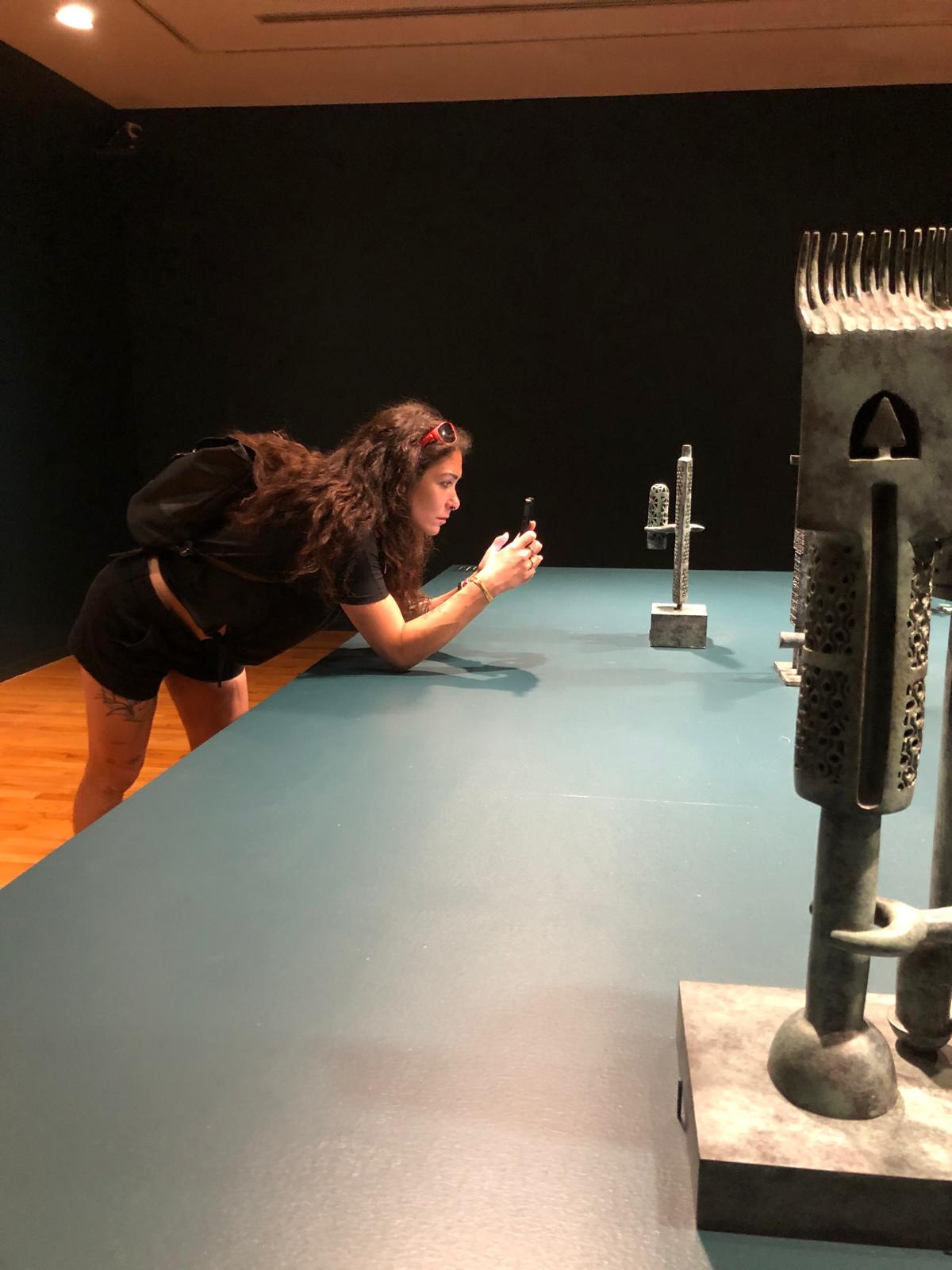
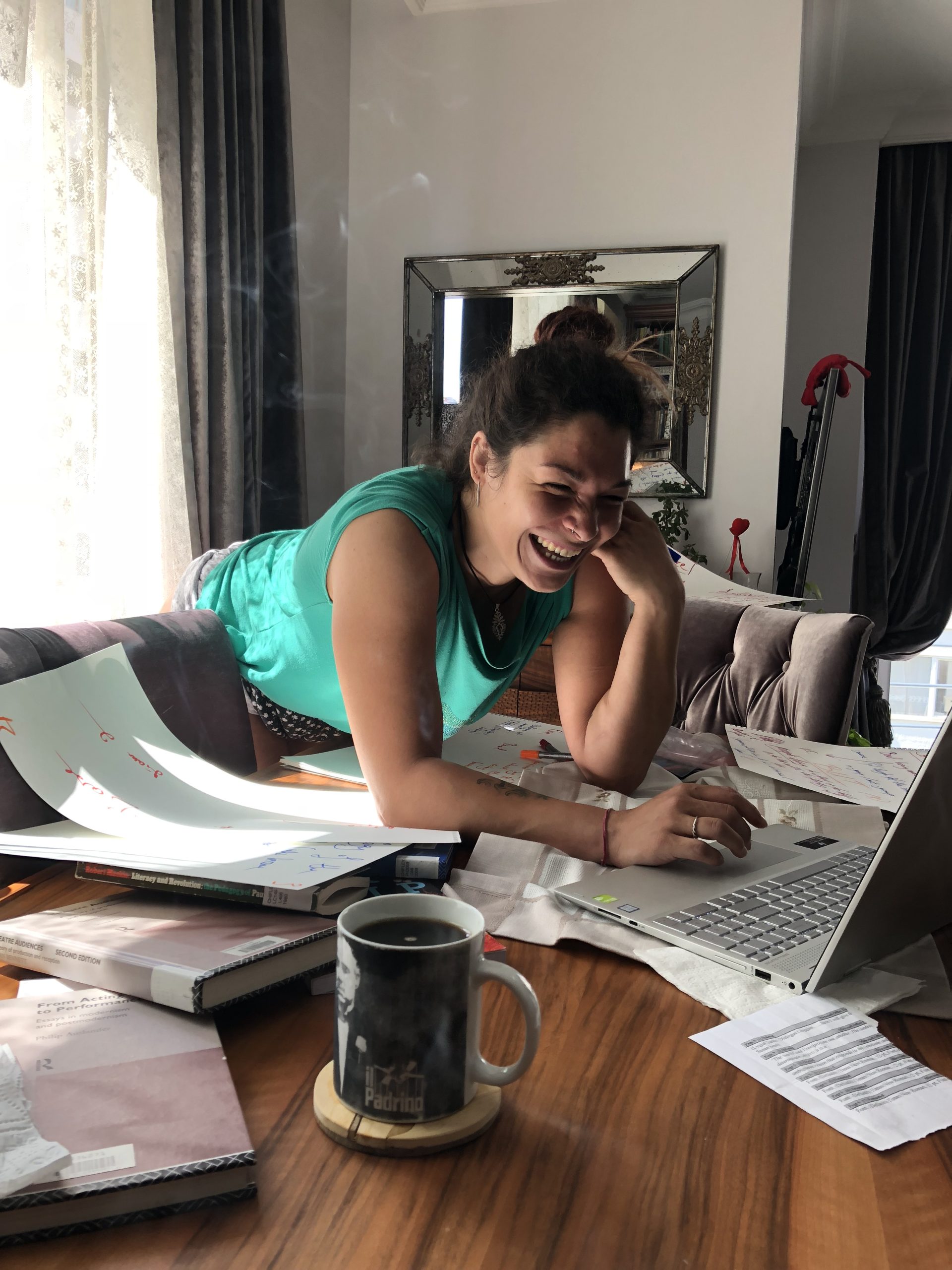
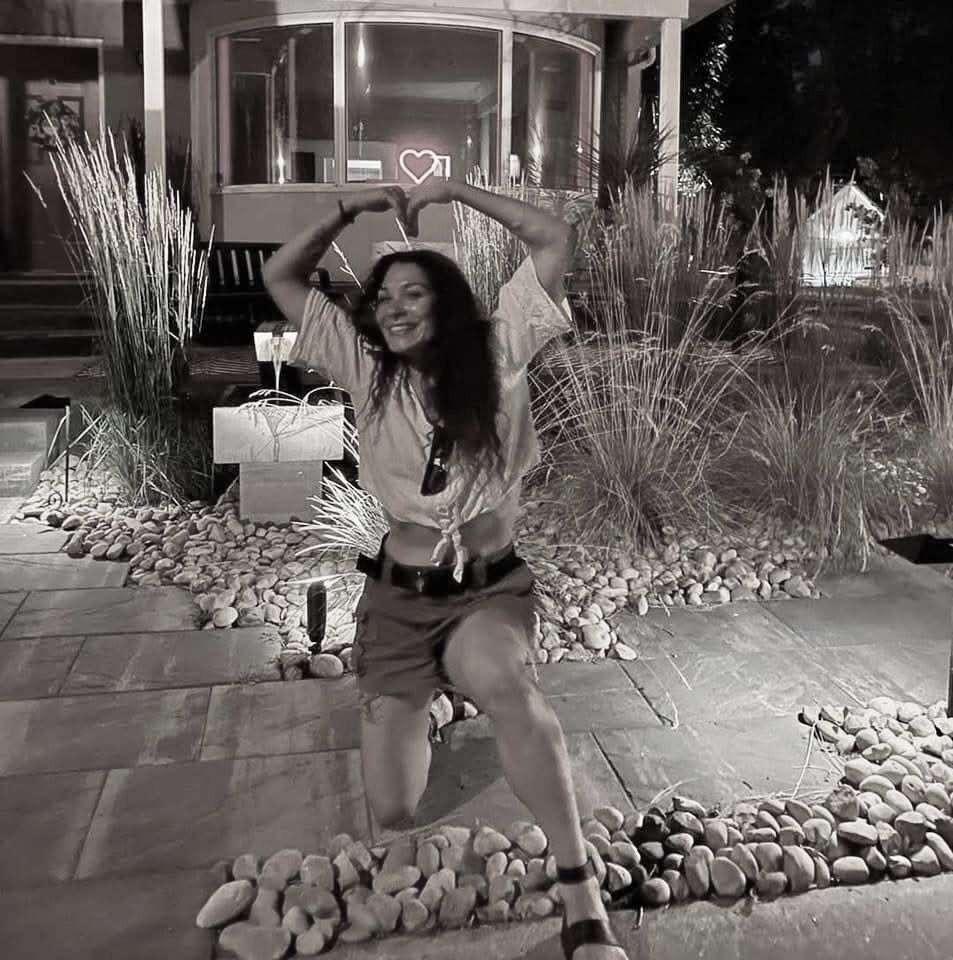
In Australia, I settled into a dorm
room at Burgmann College and began my Advanced Master’s in Curatorship and Art
History at ANU. I was surrounded by a massive library and an atmosphere rich in
science, art, and social justice.
From our perspective, Australia is
the edge of the world—but for students from Asia and Oceania, it’s close. Compared
to Europe, Australia felt like capturing the world’s image through a wider lens
and broader frame.
Almost all my grades were High
Degree. Life was going well—new continent, great education—it suited me.
With my supervisor Chaitania
Sabrani, I completed my thesis titled ‘Reclamations
of Power and Space Through the Abject: Franko B and Rashid Rana’, and
earned my master’s degree. I worked as a curator with Raquel Ormella in a 2018
exhibition, joined a Quidditch team, and explored different cultures and
traditions with friends from Asia and Oceania.
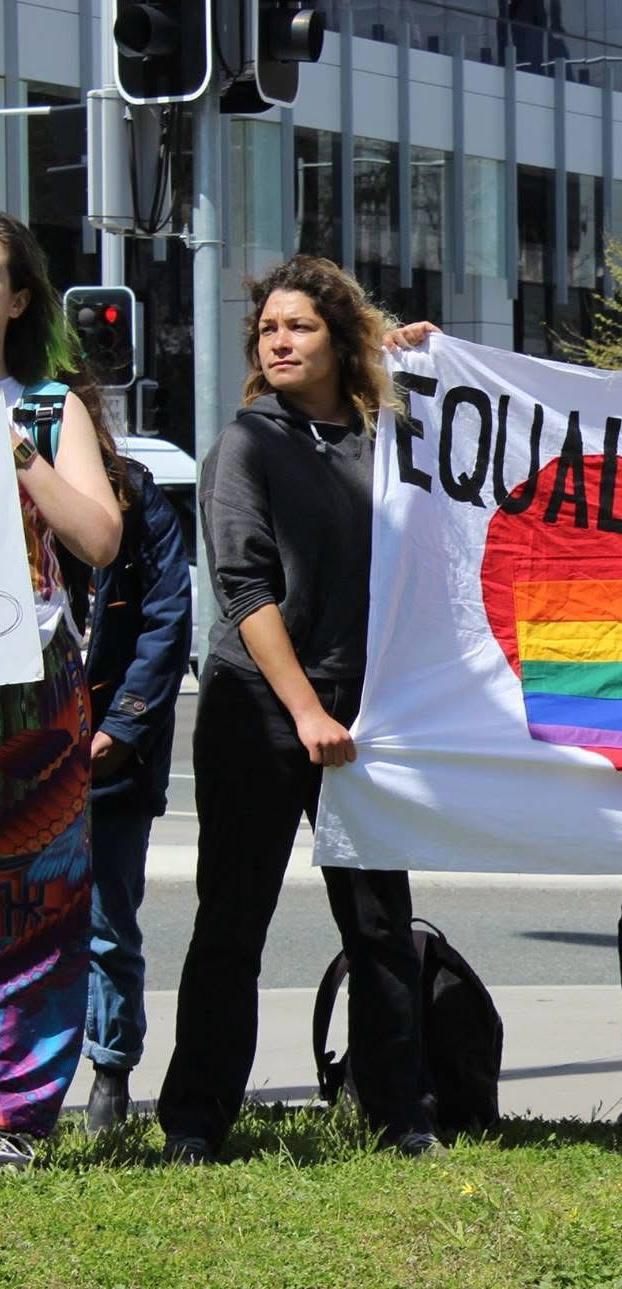
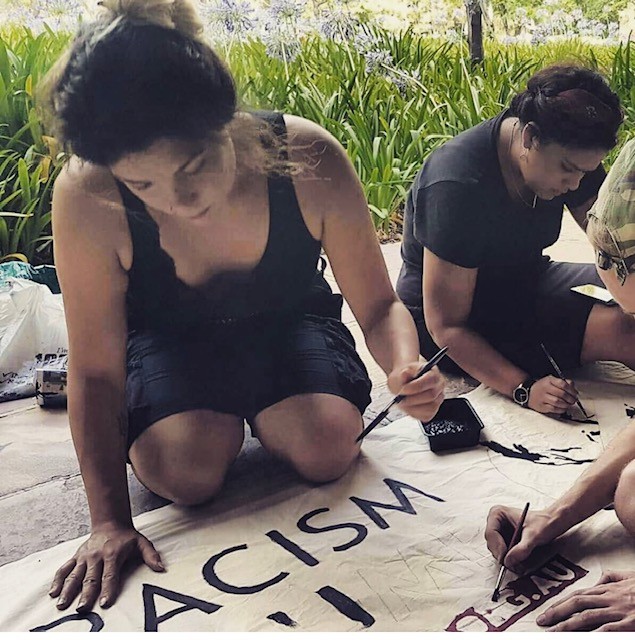
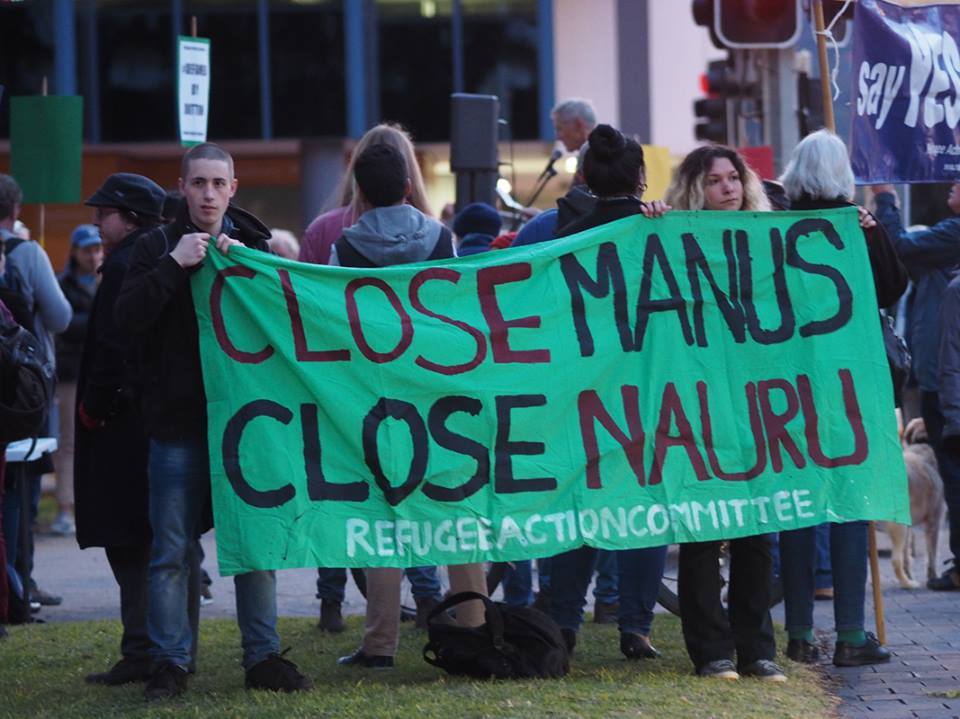
There was also the freedom to
protest against injustice—against racism, xenophobia, Islamophobia, and for
human rights. We could express ourselves and return home safely.
A few years earlier, a young person
trying to protect trees had a plastic bullet graze their hair—freedom of
expression mattered deeply.
Not just through protests, but since
childhood, I believed that the voice trapped inside me—against injustice and
domination—could be heard through science and academia.
Then the COVID-19 pandemic began. Like
everyone else, I was confined to where I was.
During the pandemic, the world
paused. Everyone paused. Perhaps we all felt trapped, wronged, and threatened
by death.
What did it teach us, that so many
people experienced similar struggles at the same time?
In a world where women, children,
the sick, the poor, and non-human animals are constantly subjected to injustice
and discrimination, it seems that everyone simply took their own share from the
collective experience and moved on.
As a curator, I considered working
in Europe or Türkiye, pursuing a PhD, or switching fields.
While researching, I discovered the
University of Alberta and Natalie Loveless.
It was exactly what I was looking
for—a university and supervisor where I could pursue a PhD freely, without
preconceptions or judgment.
I applied and was accepted.
Before the pandemic ended, during a
brief window when international travel was allowed, I flew to Edmonton via
Seoul wearing an N95 mask.
And I met Natalie Loveless in
person.
She became my supervisor.
I was incredibly lucky.
In Australia, my two beloved
cats—Sylvia, whom I adopted, and Gordon, who was born with an anomaly and
survived thanks to major surgeries—were cared for by dear friends in Canberra
for a month. Then they were sent to me in Edmonton via pet cargo.
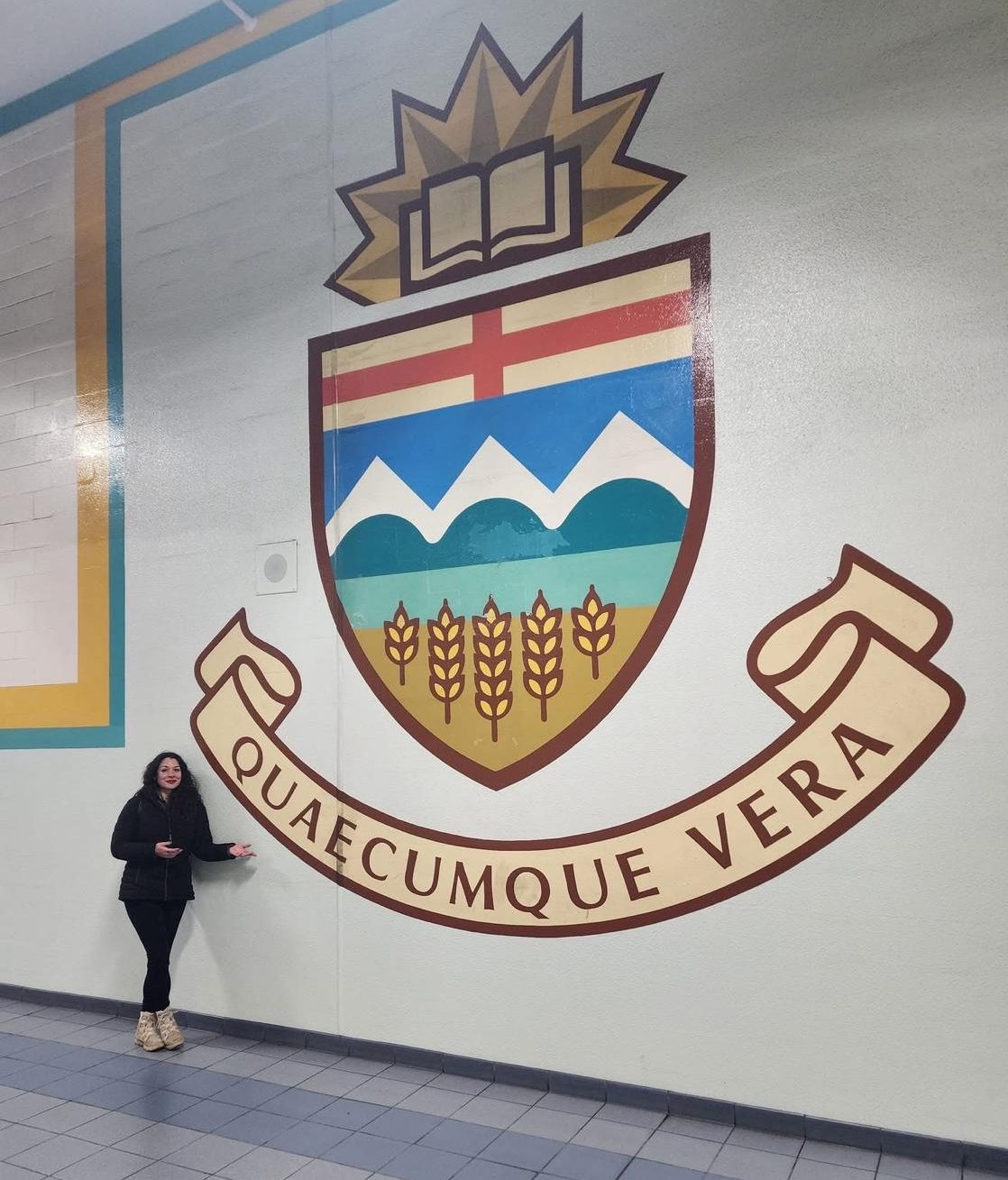
A new continent, a new country, a
new university began.The first two years were very difficult. Building a life
in a country I didn’t know, where I knew no one—finding a home, settling in
with my cats, learning the system, keeping up with medical care for myself and
my cats—none of it was easy. The pandemic was still ongoing, albeit more
mildly.
International travel kept opening
and closing, so my family couldn’t come, and I couldn’t go.
We all know that the world doesn’t
treat migrants—or those forced to migrate—with sensitivity, kindness, or
tolerance. Instead, it often treats them with condescension and contempt.
Knowing that is one thing; living it
is another. Migration is truly hard.
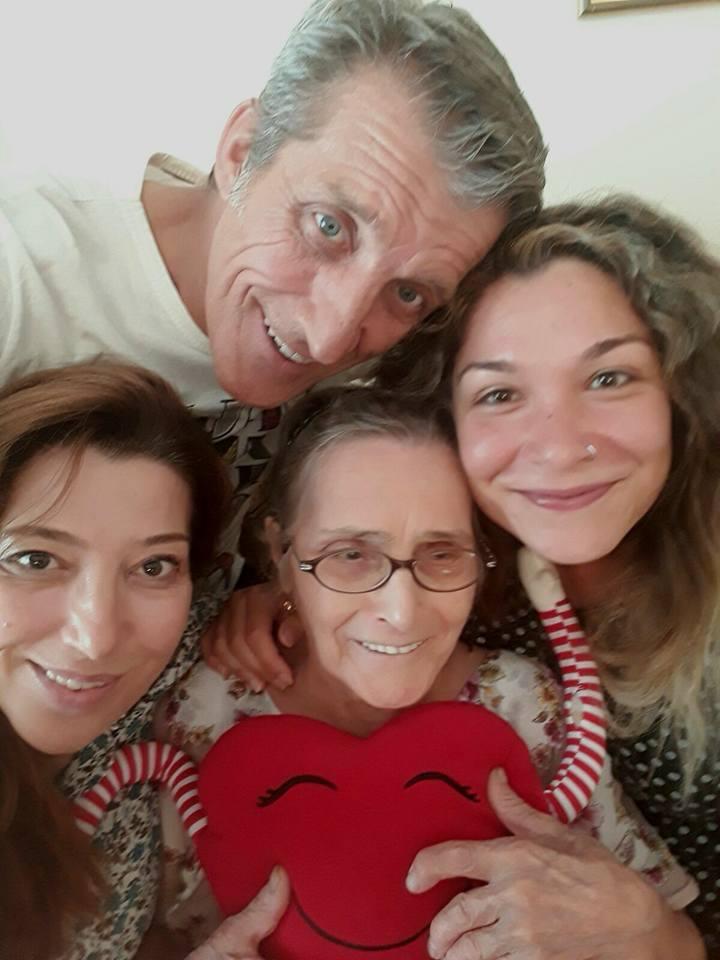
Of course, my mother and my
father—who I saved in my phone as “strategy”—supported me. I always felt the
spiritual support and closeness of my relatives and friends back in Türkiye.
After two years, my mother came, and
we spent that summer together in Canada.
We filled my fridge with
Mediterranean olive oil dishes, sewed lace curtains together, and explored. Both
my parents wanted me to be happy—though they spoke different languages when
expressing it.
I managed to merge those two
languages.
I often saw myself as a
bridge—connecting different perspectives, traditions, and cultures.
Being born and raised in Istanbul, a
bridge between Asia and Europe, and receiving a Western, Anglo-Saxon education
in top schools while also knowing Eastern spirituality, values, and communal
traditions, naturally made me feel like a bridge.
Living in different countries and
continents, visiting museums, exhibitions, and ancient sites around the world
helped me understand humanity’s shared values and the intersections of
cultures. So, not just through reading and research, but through seeing,
feeling, and experiencing, I gained insights that opened up the field of art,
science, and social justice for me.
Experiencing Stendhal syndrome with
my mother in front of a tapestry at the Vatican Museums; Waiting in line at the
British Museum; Leaving the Hiroshima Museum feeling as if the nuclear bomb had
scorched every cell in my body.
Watching my grandmother touch a
Roman-era fertility goddess statue at the Istanbul Archaeology Museum and then
touch us, saying “May you be blessed” in true Eastern fashion (Western
tourists thought this was a ritual and everyone touched the statue and then
each other). These were some of my
adventures, and I’m glad they happened.
My last two years at the University
of Alberta—with my supervisor Natalie Loveless, my professors, colleagues, and
wonderful students, and that massive library—were beautiful and joyful.
Embracing my students, watching them
grow, and pushing myself to learn more so I could guide them better was deeply
fulfilling.
Learning, contributing to the spread
of knowledge and vision, expanding perspectives—these were no longer goals: they
were life itself.
And my life was beautiful. I lived
fully, intensely, and deeply.
I had something to say.
I had a unique perspective to share
through my research.
My doctoral dissertation is titled
Everything is Permitted: Invitations to
Transgress in Contemporary Performance Art.
On January 18, 2025, I passed my
doctoral qualifying exam and became a PhD candidate. After that, presenting my
ideas and analyses at various panels and conferences, discussing my hypotheses,
was incredibly rewarding.
In the spring of 2025, I co-taught a
course (Themes in Contemporary Art) with my supervisor, and performed so well
that I was en route to teach my very own courses at MacEwan University that
following fall.
I couldn’t make it.
We no longer live in Newton’s era,
nor Einstein’s. We now realize that the cosmos we perceive through our five
senses is not limited to human perception.
Despite advances in physics, and
despite centuries passing since Hammurabi’s laws and the Magna Carta, despite
knowing that “everything is connecting” means more than a phone commercial, our
steps toward social justice remain tiny.
If my life and efforts can be a
single drop of water for social justice on this planet, then I am grateful.
My final words, as I wrote at the
beginning of my master’s thesis:
‘’Thank you to everyone who
contributed to my life.’’
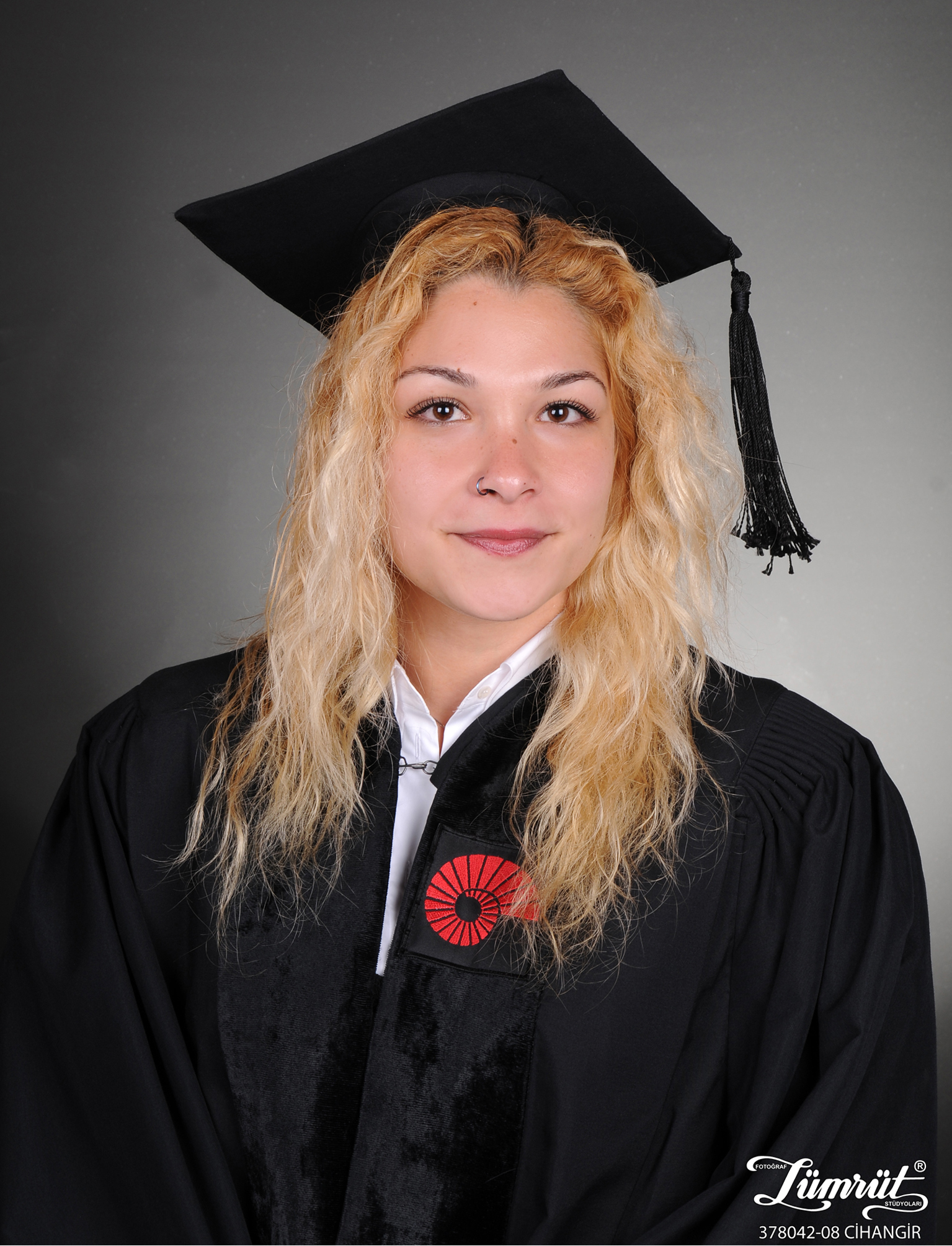
Yüksel Yılmaz (Mom), on behalf of the incomparable and forever loved Elif Su Yılmaz.
Elif Su Yilmaz is interested in untangling the methodical
construction of binary fallacies in the narratives that describe and/or are
attributed to marginalized groups, as it is materialized in artistic form.
Taking a transnationalist and transdisciplinary approach that stems from her
personal experiences as an immigrant as well as her academic background in the
fields of psychology and philosophy, Elif Su seeks to address how and why,
apart from the economic mandates of late capitalist system, certain false
consciousnesses are constructed and disseminated by various media apparatus in
service of maintaining the status quo.
Focusing primarily on contemporary performance art and art
theory, her research aims to contribute to the empowerment of historically and
contemporarily silenced voices in the collective effort to redress and
reconcile past and present injustices

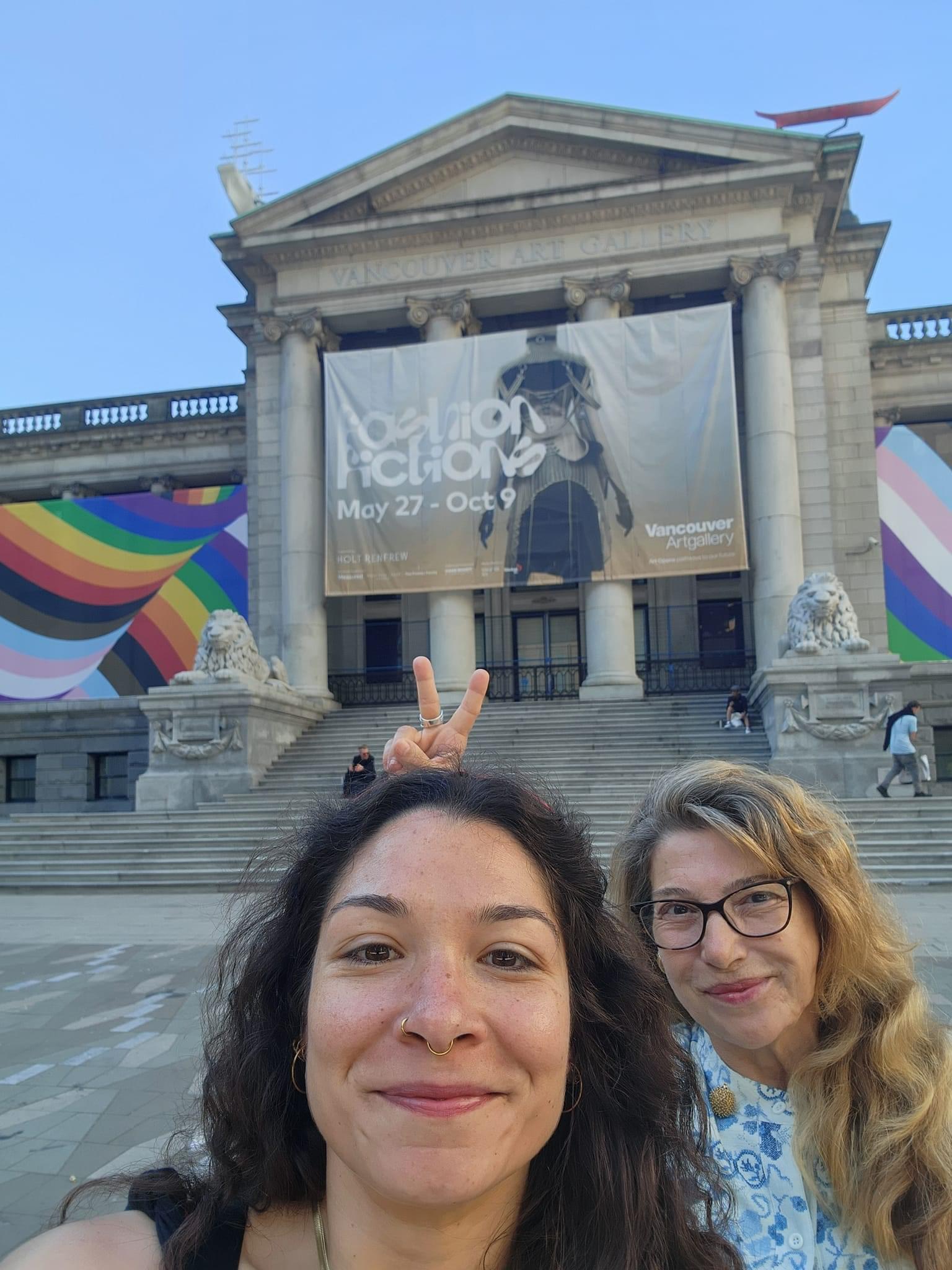
I never met Elif Su, which is my loss. I
salute her for the progressive, humanist, activist she was as an individual. I
congratulate wholeheartedly, her academic success as a graduate of multiple
disciplines, and today awarded PhD in “History of Art, Design and Visual
Culture” by the University of Alberta. Most
of all, I thank her, and I honor the “modern” young Turkish woman who
represented her country successfully, carrying Ataturk’s vision for modern
Turkey to the world. She made Turks living in Canada proud.
CHOSEN
Incomparable Elif Su
Of all why you?
Rumi says, “There is no separation
If you love with your heart and soul.”
Mortals love with their eyes.
Unable to realize
Your divine chosen role.
Always determined and strong
Yet, fragile and sweet like a love song.
Lived life fully, accomplished more than many
So long…..and well-done baby!
Incomparable Elif Su
Chosen, you.
Dilara Yegani, President of Canadian
Young Turks Foundation
November 19, 2025, Edmonton Canada
